BMS Controls & Integration – Trend Systems
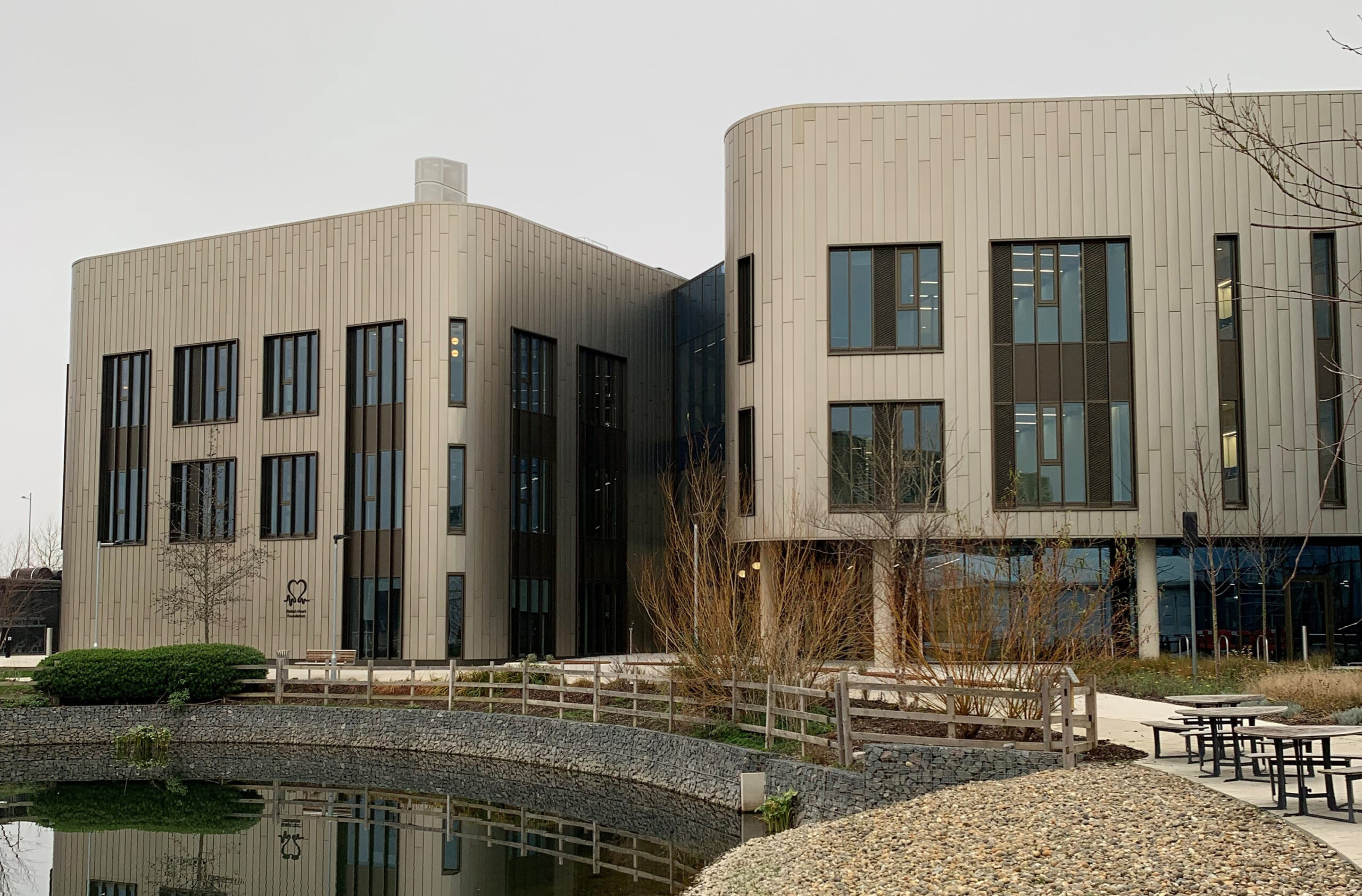
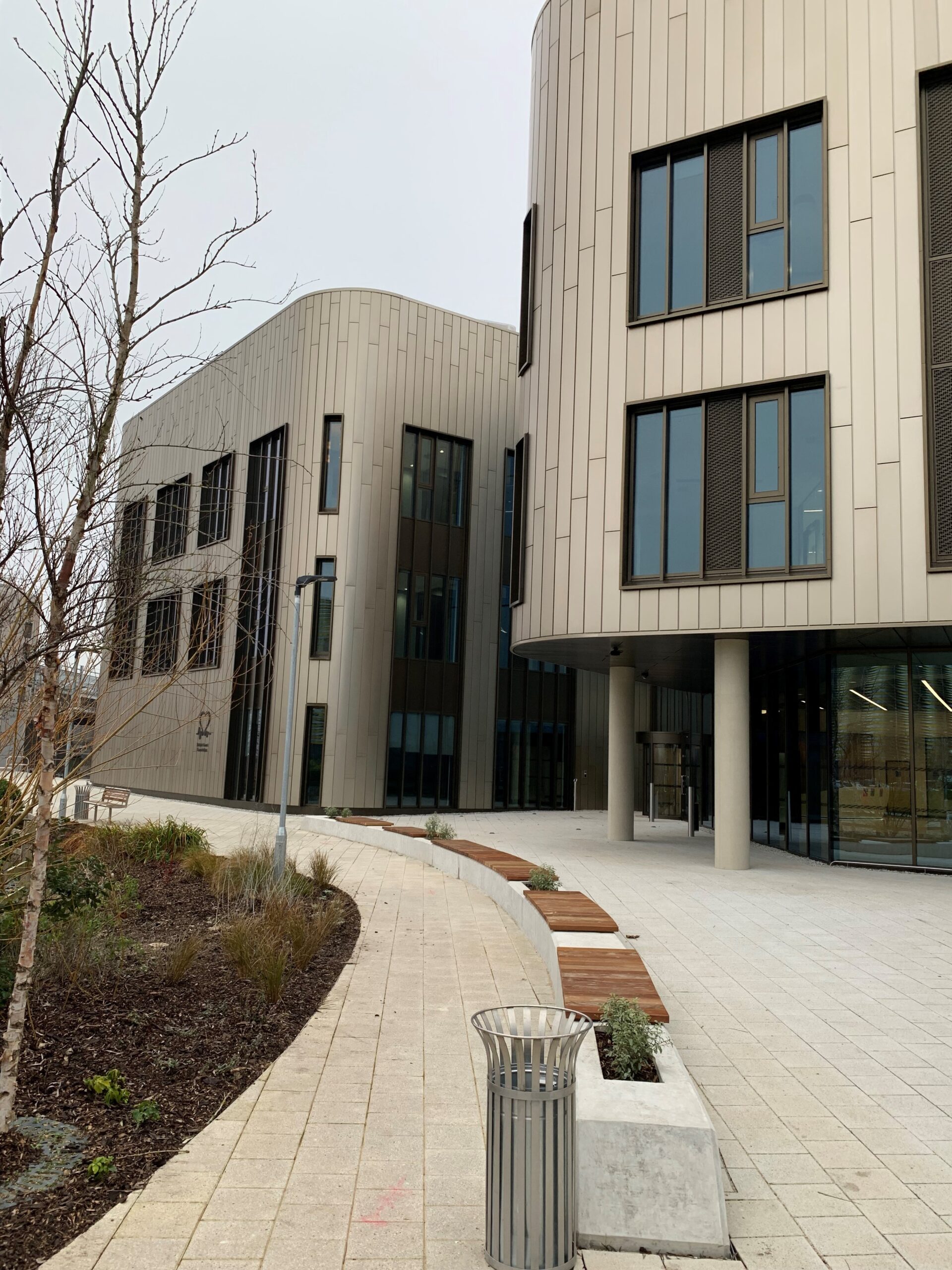
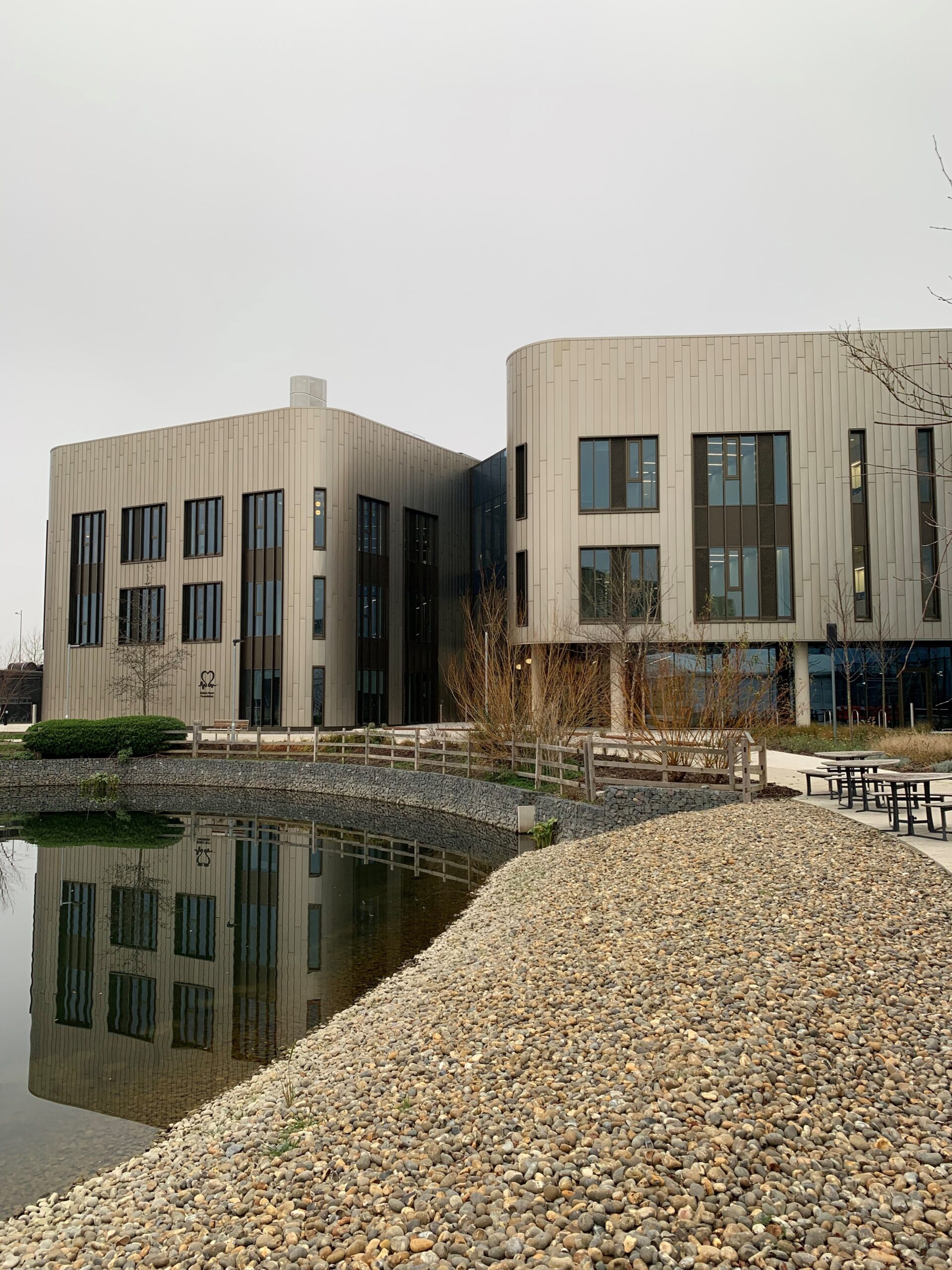
For the University of Cambridge’s state-of-the-art Heart and Lung Research Institute (Project Atria), we delivered a comprehensive Building Management System (BMS) controls package designed to support the complex environmental, safety and energy demands of a modern biomedical research facility.
Our works were based on the University of Cambridge Estate Management BMS standards and developed in coordination with the project design team. The installation was built around a Trend controls system, fully compatible with the University’s existing infrastructure and future migration from Trend 963 to Trend IQVISION.
Scope of Works
We designed, manufactured, installed and commissioned multiple purpose-built BMS control panels located throughout the building, including plantrooms, laboratory areas, roof-level plant, and specialist research spaces. Each panel incorporated local operator interfaces, protective devices, labelled terminals and fully documented wiring systems to ensure maintainability and compliance with University standards.
The BMS provides monitoring, control and alarm management for a wide range of critical building services, including:
- Laboratory and specialist ventilation systems
Control and monitoring of multiple AHUs serving laboratories, clinical trial spaces, education areas, offices and plantrooms, including:
- Supply and extract fan speed control via inverters
- Thermal wheel and heat recovery systems
- Damper actuators and pressure control
- Comprehensive temperature, pressure and filter condition sensing
- Frost, heating and cooling coil protection
- Fume cupboard and specialist extract systems
Duty/standby control and status monitoring of packaged extract fans serving fume cupboards, solvent extract, LN₂ extract, and specialist hood systems, with full run/fault indication and airflow proving.
- Heating, cooling and low-temperature hot water plant
Integration of air source heat pumps, gas boilers, thermal stores, pressurisation units and multiple primary and secondary pump sets. The BMS manages:
- Variable speed pump control
- Valve positioning and temperature regulation
- Differential pressure monitoring
- Thermal store temperature stratification
- Domestic, laboratory and non-potable water systems
Monitoring of water tanks, booster sets, softened water systems, plate heat exchangers and trace heating, including level, temperature and fault status across domestic and laboratory supplies.
- Chilled water systems
Control and monitoring of chilled water pump sets, buffer vessels and associated differential pressure and temperature sensors.
- Electrical and life-safety interfaces
BMS integration with:
- Generator systems, day tanks and leak detection
- Medical and laboratory gas alarm panels
- Gas detection and solenoid safety shut-off systems
- Major leak detection and drainage leak systems
- Fire system interlocks
- LV switchgear status monitoring
- Environmental and space conditions
Monitoring of internal temperature and CO₂ sensors, slab and wall sensors, weather station inputs, and specialist room conditions to support occupant comfort and research stability.
- Energy and utilities monitoring
Integration of multiple electrical meters via Modbus, enabling centralised energy monitoring through the Trend BMS head-end.
System Integration
The Trend-based BMS communicates with a wide range of packaged plant via BACnet/IP and Modbus, providing centralised monitoring, alarm handling and performance visibility through the University’s off-site servers. All new plant graphics were developed and added to the existing BMS front end to maintain a consistent user experience for the Estates team.
Commissioning & Handover
All controls were fully commissioned by our engineers in coordination with the mechanical and electrical services. The project also included seasonal commissioning and soft-landing support during the first year of operation, helping the University fine-tune system performance under live research conditions.